Role of CSR in Viksit Bharat Conclave – From Compliance to Commitment: Repositioning CSR as a Strategic Pillar of Viksit Bharat
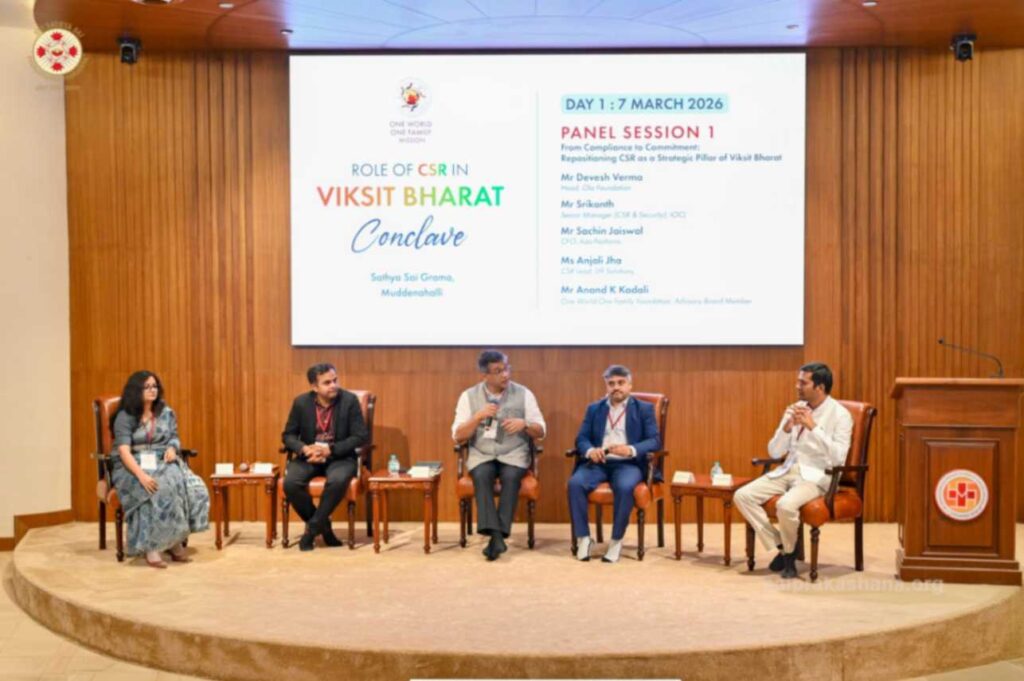
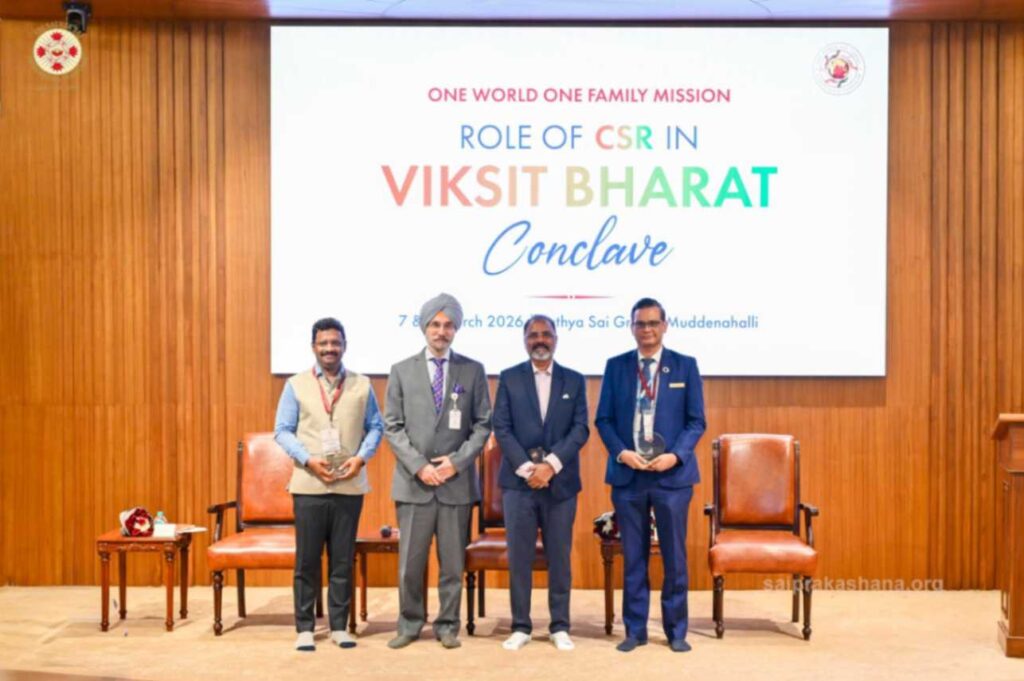
The “Role of CSR in Viksit Bharat Conclave”, held on 7–8 March 2026 at Sathya Sai Grama, Muddenahalli, brought together leaders from government, corporates, and the social sector to discuss how Corporate Social Responsibility can contribute to India’s vision of becoming a Viksit Bharat by 2047. The conclave featured keynote addresses and panel discussions exploring collaboration, innovation, and impact-driven CSR initiatives.
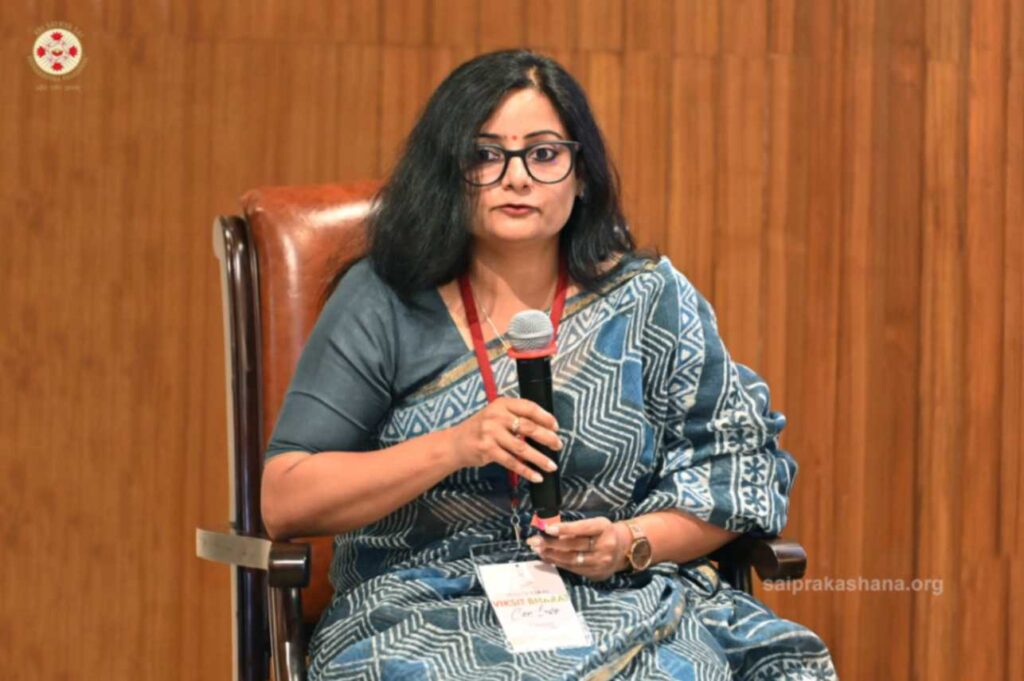
The first panel discussion focused on the theme “From Compliance to Commitment: Repositioning CSR as a Strategic Pillar of Viksit Bharat.” The session was chaired by Mr. Devesh Verma, Head of the Ola Foundation, and featured distinguished panelists Mr. M. S. Srikanth (Indian Oil Corporation Limited), Mr. Sachin Jaiswal (Aza Fashions), Ms. Anjali Jha (o9 Solutions), and Mr. Kadali Anand Kumar (One World One Family Foundation.)

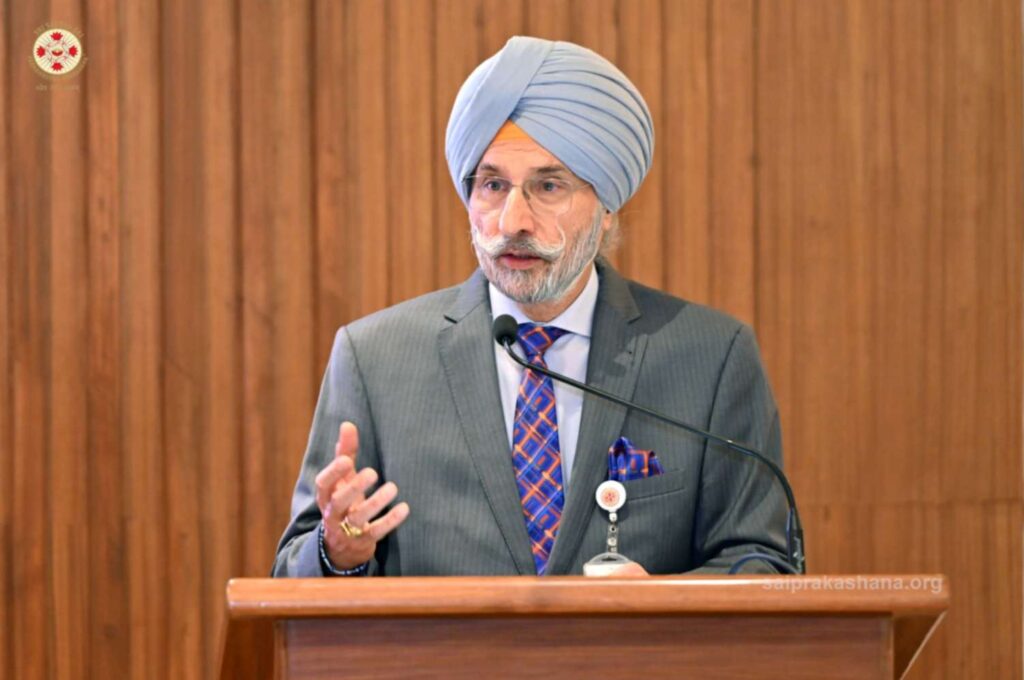
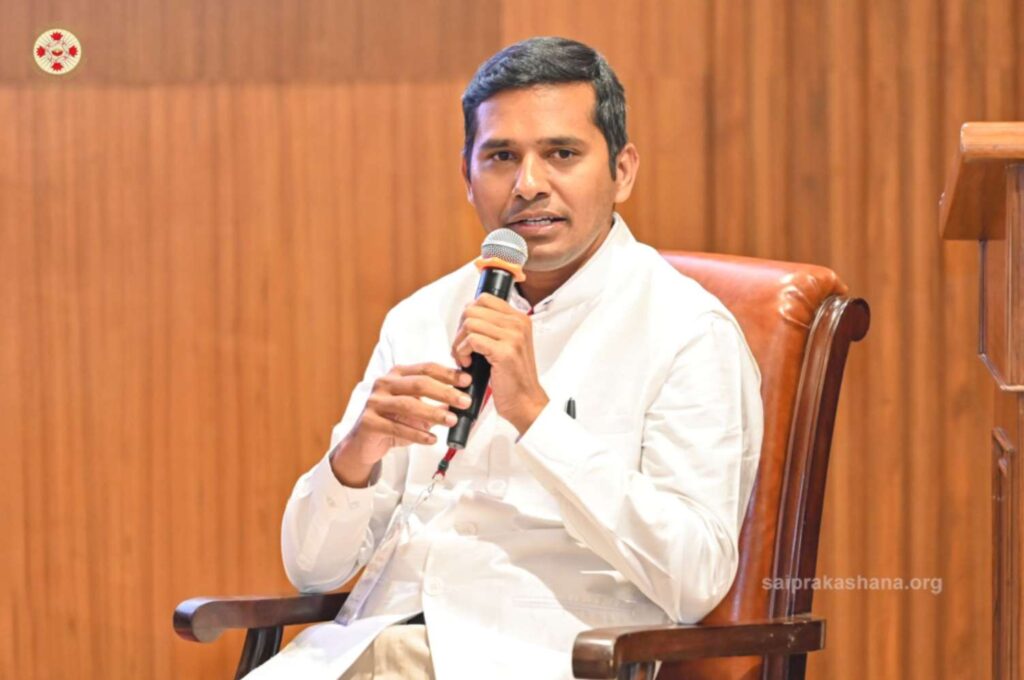
Setting the context, Mr. Devesh Verma highlighted the remarkable growth of CSR investments in India, which have crossed ₹2.4 lakh crore over the past decade. He emphasized that the conversation must now move beyond compliance and focus on measurable social impact, particularly in addressing national priorities such as livelihoods, human capital development, and sustainability, which are central to achieving the vision of Viksit Bharat by 2047.
Ms. Anjali Jha spoke about the transformative role of technology and data-driven platforms in scaling social impact. She shared an example of a digital platform developed through CSR support that enabled an NGO to streamline operations, increase transparency, and significantly expand its reach. By digitizing processes and integrating data systems, the organization was able to operate more efficiently and serve many more beneficiaries across multiple cities.
Mr. M. S. Srikanth highlighted how CSR initiatives from large organizations can align with national health priorities. He cited an initiative by Indian Oil to screen tribal populations in Karnataka for sickle cell anaemia, undertaken in collaboration with government institutions and academic partners. Despite initial challenges in community engagement, the project successfully screened over two lakh individuals, demonstrating how collaborative efforts can deliver large-scale impact.
Mr. Sachin Jaiswal emphasized the importance of financial accountability and measurable outcomes in CSR investments. Drawing from his experience, he explained how organizations should move beyond one-time funding and instead build long-term partnerships with implementing institutions, using clear financial, social, and environmental metrics to track impact. He also encouraged allocating a portion of CSR funding to innovation and emerging technologies that can address complex social challenges.
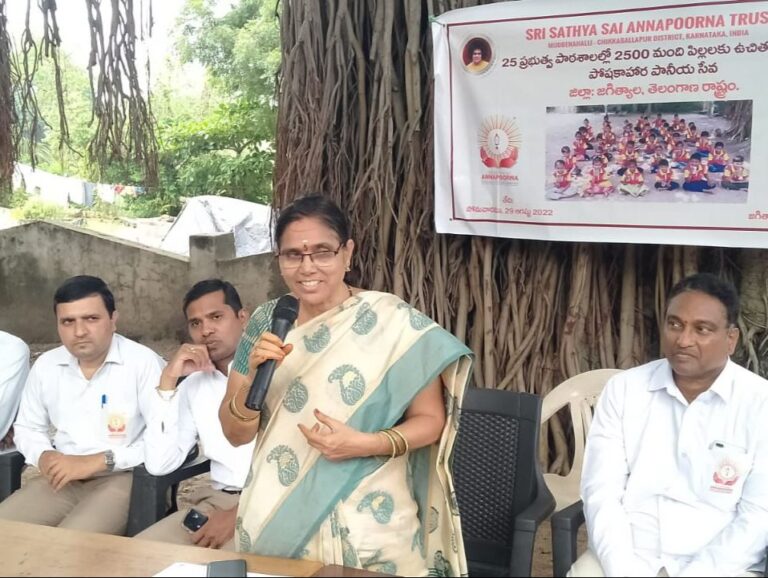
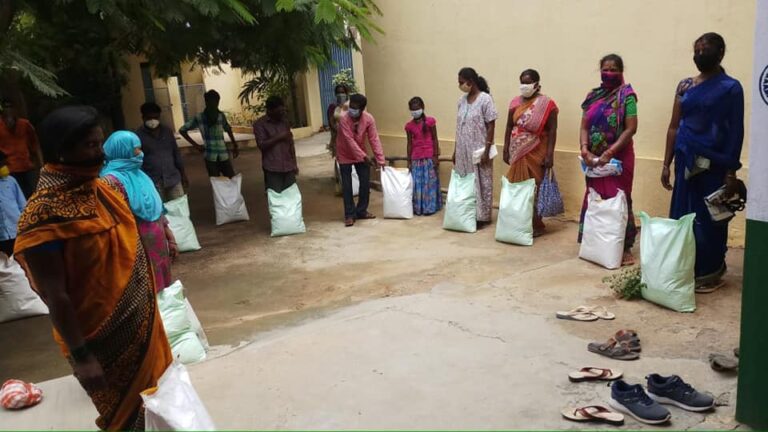
Mr. Kadali Anand Kumar shared the perspective of grassroots implementation, stressing that meaningful CSR requires deep engagement with communities and a genuine commitment to service. He highlighted the importance of corporates witnessing the impact of initiatives on the ground and collaborating closely with social organizations working in areas such as nutrition, education, and healthcare.
The panel concluded with a strong consensus that CSR must evolve from a compliance-driven obligation into a strategic tool for nation-building, leveraging technology, innovation, partnerships, and accountability to create sustainable and inclusive development for India.