Annual Convention of Ragi-Growing Farmers at Sathya Sai Grama Highlights Transformative “Soil to School to Society” Vision
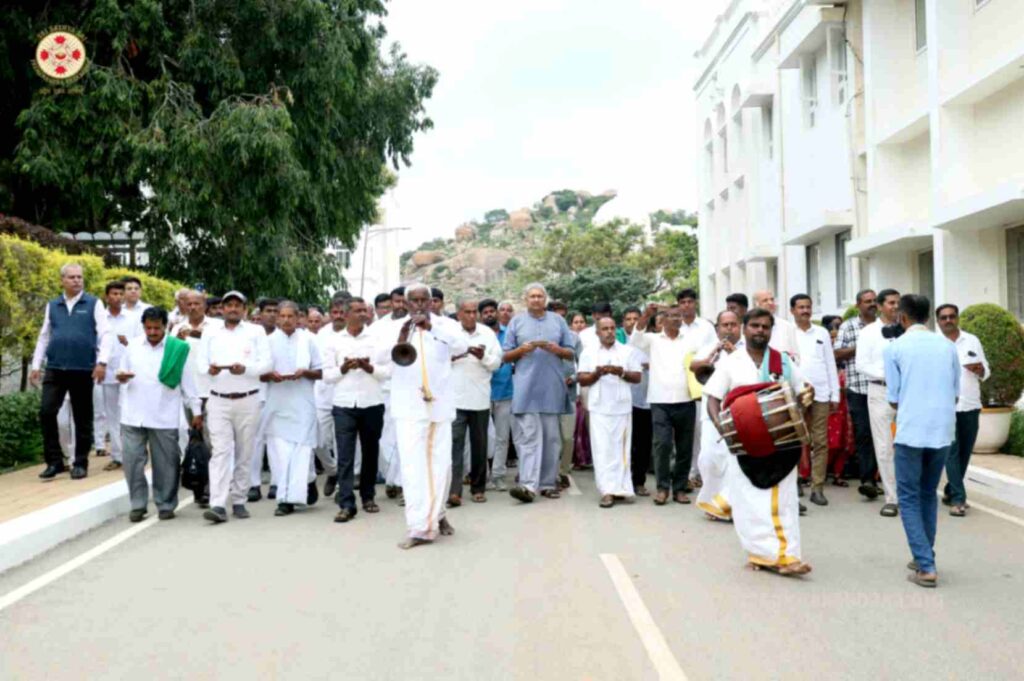
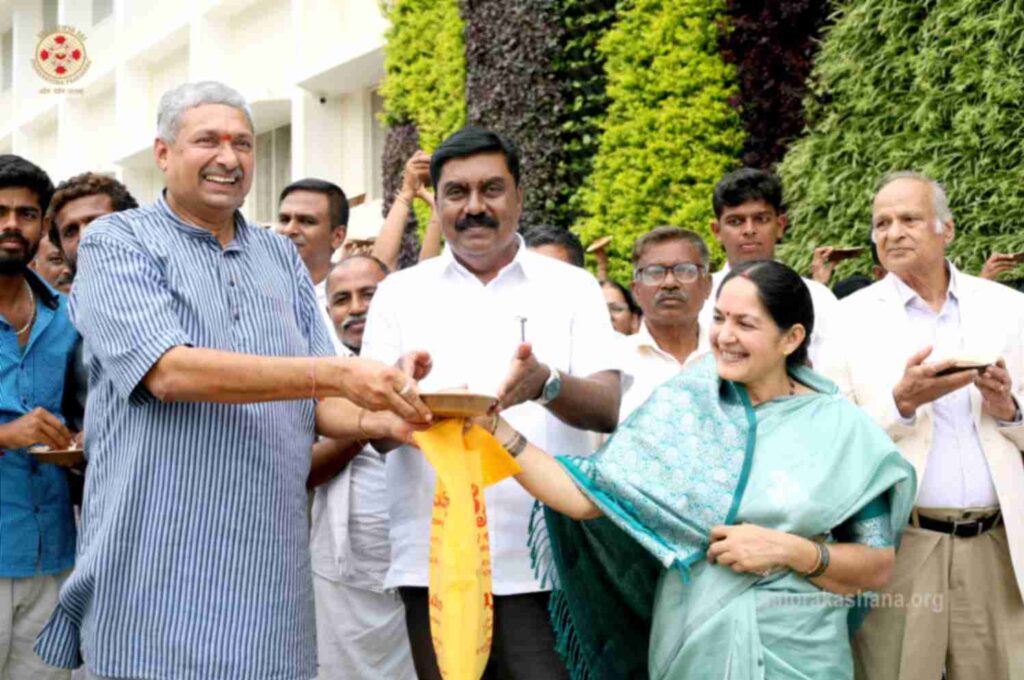
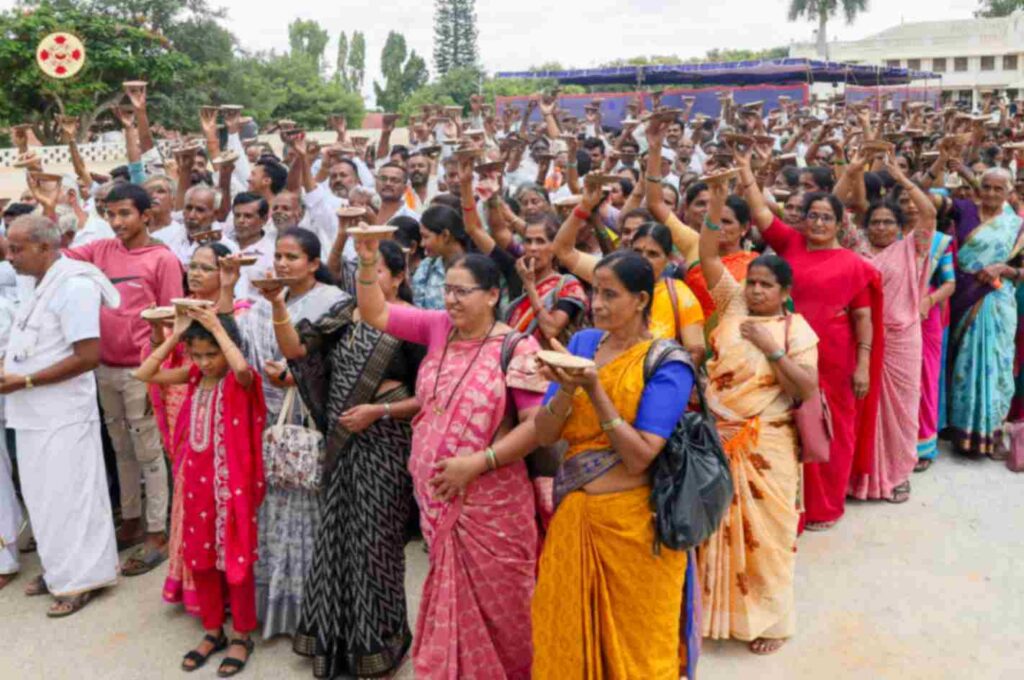
On 2nd July 2026, Sathya Sai Grama became the meeting ground for a truly inspiring confluence of farmers, thought leaders, policymakers, academicians, and spiritual leaders, as hundreds of ragi-growing farmers from Tumakuru and Chikkamagaluru districts of Karnataka gathered for the Annual Convention of Ragi-Growing Farmers. The convention served as a celebration of agriculture, sustainability, nutrition, and the collective commitment toward building a healthier and more equitable future for society.
Held under the visionary guidance of Sadguru Sri Madhusudan Sai, the gathering reflected the growing impact of the transformative “Soil to School to Society” initiative — a unique integrated model connecting regenerative agriculture, farmer empowerment, child nutrition, public health, and climate action. The initiative continues to demonstrate how healthy soils, empowered farmers, and improved child nutrition can together create sustainable social transformation.
The event was graced by several distinguished dignitaries including
Shobha Karandlaje, Union Minister of State for Micro, Small and Medium Enterprises, Labour & Employment, Government of India and Member of Parliament from Bangalore North;
Captain Dr. K. Rajendra, Director of Agriculture, Government of Karnataka;
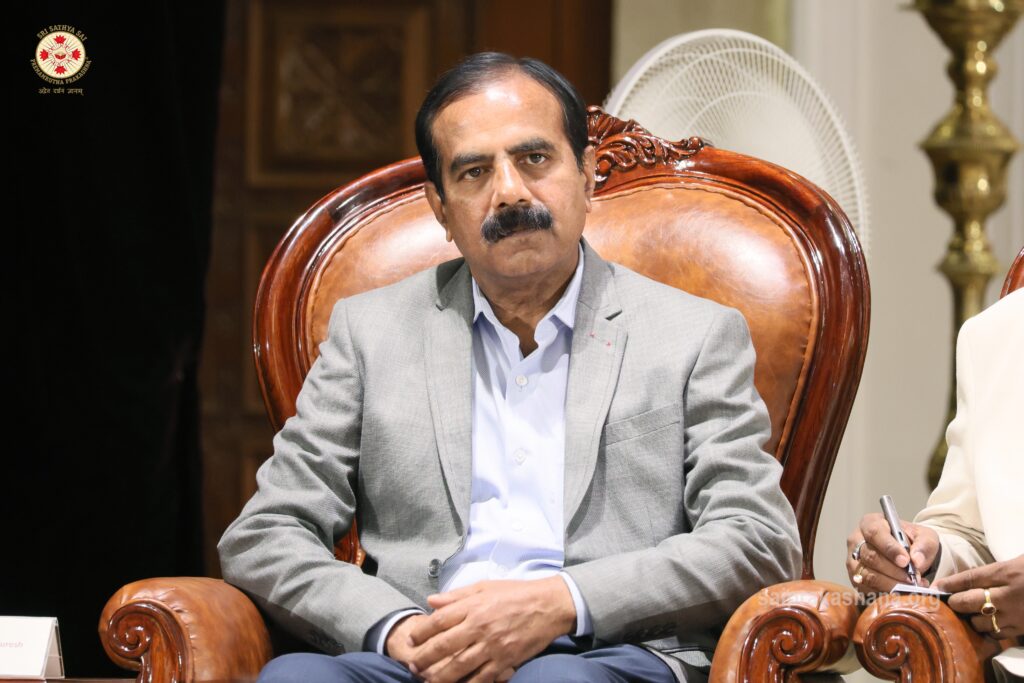
Dr. S. V. Suresh, Vice Chancellor of University of Agricultural Sciences Bangalore;
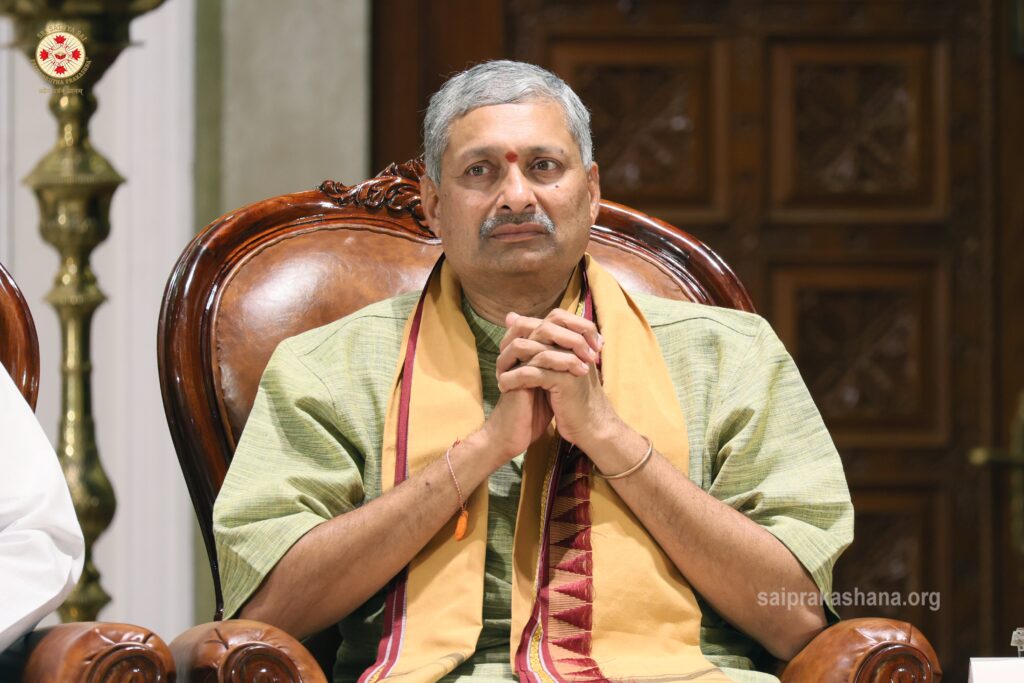
Shri Guruparadeshi Kendra Swamiji of Rangapura Mutt, Tiptur Taluk;
Shri Ananda Aa Shri, Chairman of Subhiksha Multi-State Organic Cooperative Society;
Bharani Prasad, Director of SaiSure Nutritions and CEO of Subhiksha Multi-State Organic Cooperative Society.
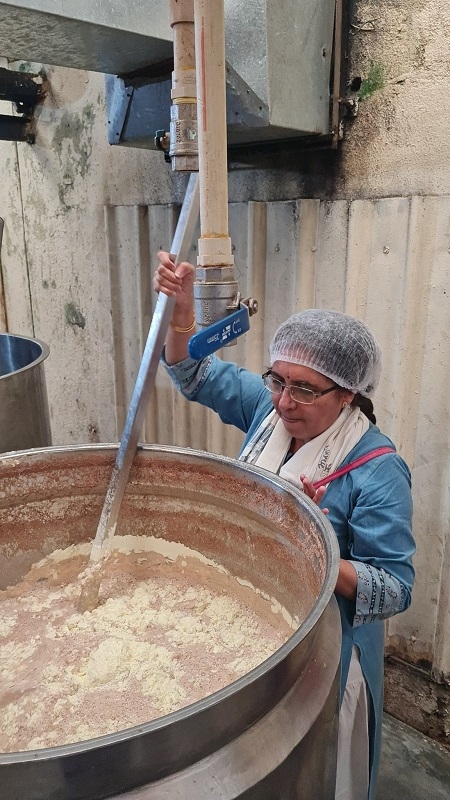
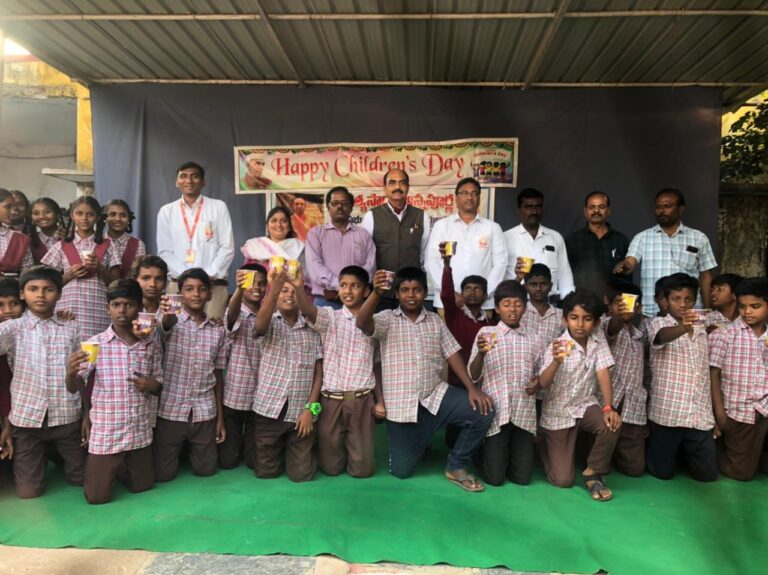
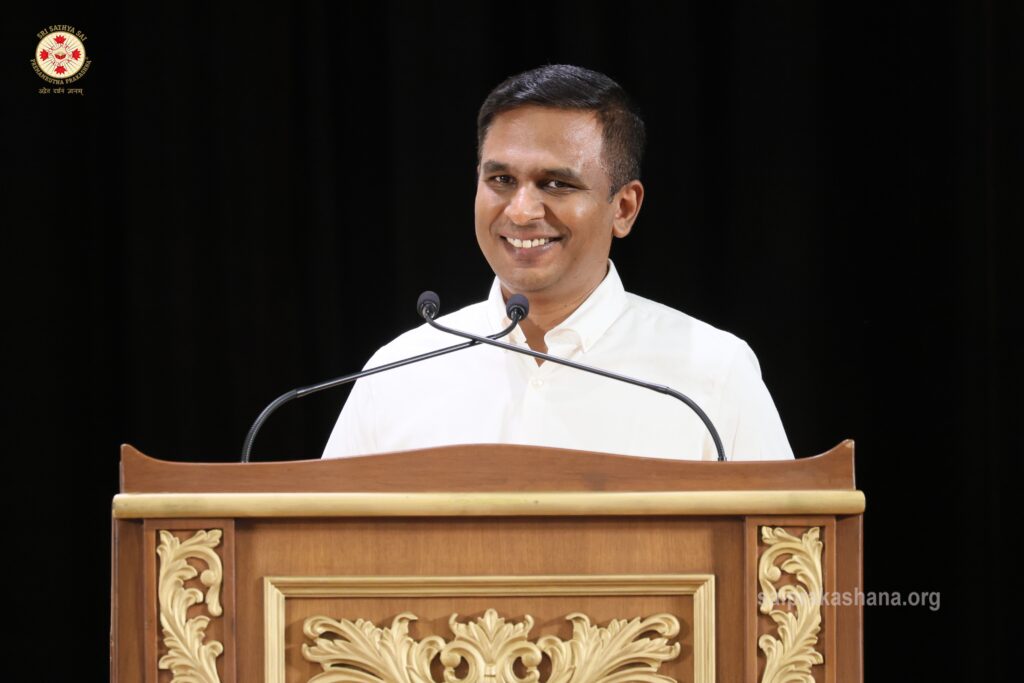
Addressing the gathering, Bharani Prasad presented the remarkable evolution of the Soil to School to Society model and explained how multiple sectors including public health, regenerative agriculture, and climate action have come together to create a highly integrated and sustainable ecosystem. He shared that nearly 2,000 farmers across 8,000 acres are currently practising chemical-free regenerative farming, while advanced AI-driven satellite technology is being deployed to monitor soil organic carbon content, opening avenues for carbon credit monetization and improved farmer livelihoods. The organically cultivated ragi from these farms is now being transformed into fortified nutrition served daily to over 1 crore government school children across India through the Morning Nutrition Program implemented by Sri Sathya Sai Annapoorna Trust.
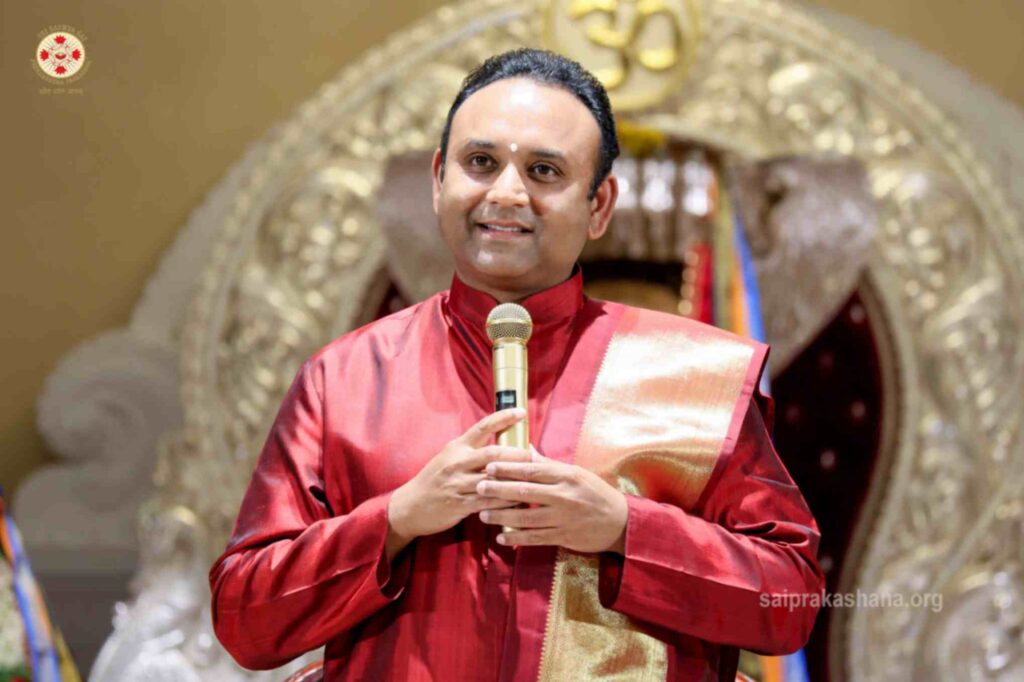
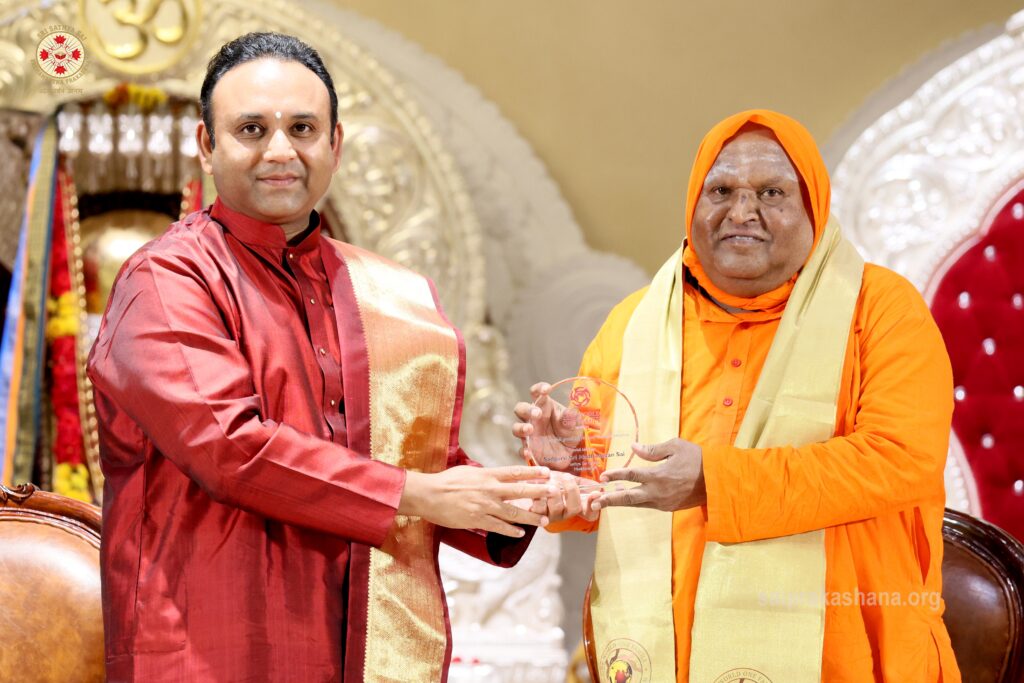
In his deeply inspiring keynote address, Sadguru Sri Madhusudan Sai spoke extensively about restoring dignity and respect to the farming community, emphasizing that farmers are the very embodiment of selfless service, much like nature itself which gives unconditionally without expecting anything in return. Reflecting on former Prime Minister Lal Bahadur Shastri’s timeless slogan “Jai Jawan, Jai Kisan,” He observed that while society rightly honours those who protect the nation, equal respect and gratitude must be extended to those who feed the nation. He expressed immense happiness that farmers had voluntarily embraced organic and natural farming, recognizing that the nutritious ragi they cultivate directly nourishes over one crore children across the country.
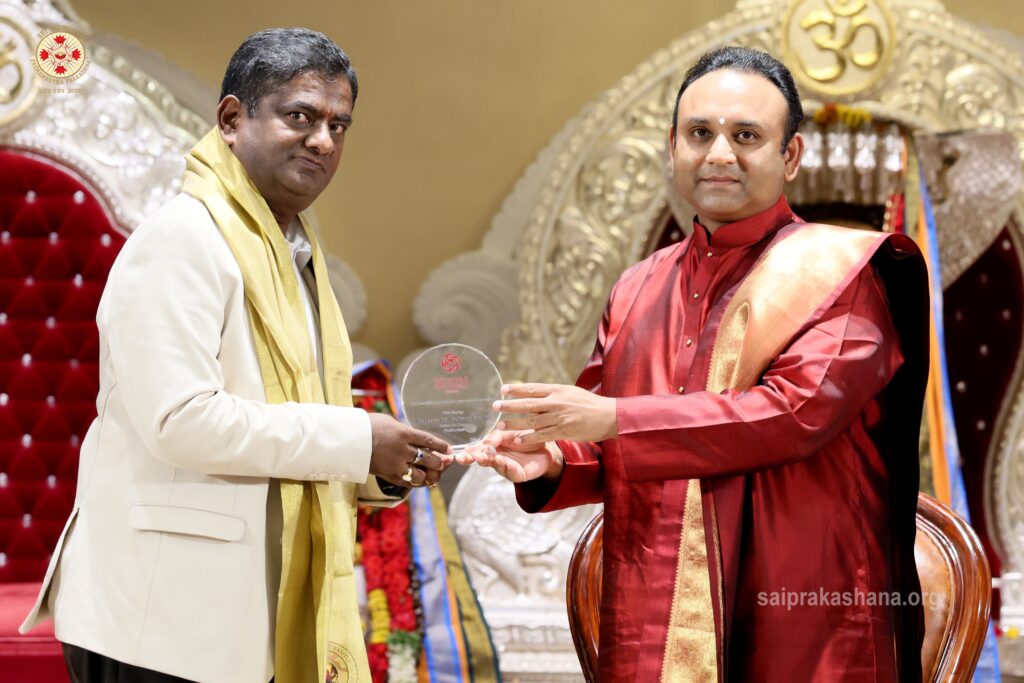
In a landmark announcement, Sadguru introduced a pioneering Farmer Certification Program through Sathya Sai University for Human Excellence, through which farmers will, for the very first time in India, receive formal recognition and certification for their traditional agricultural knowledge under a rigorous evaluation framework.
Reaffirming the organization’s unwavering commitment to child nutrition, He further shared the collective resolve to expand the Morning Nutrition Program from 1 crore children to 2 crore children, reminding everyone of the mission that “Everything can wait, but a hungry child cannot.”
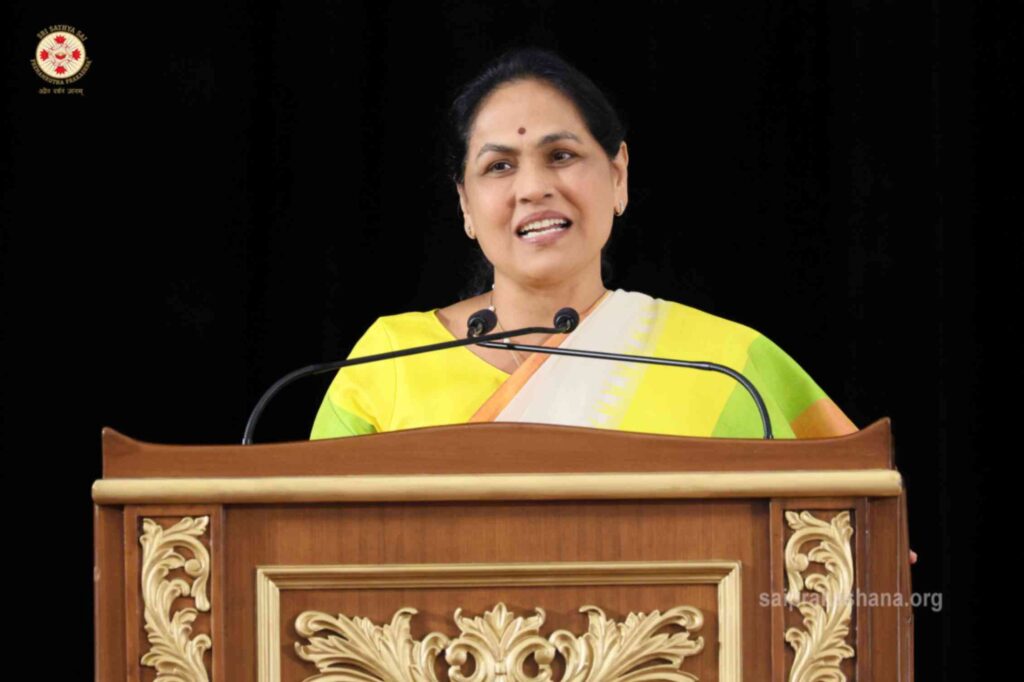
Speaking on the occasion, Shobha Karandlaje appreciated the initiative as a powerful and timely model for India’s agricultural future. She highlighted how India has increasingly recognized the importance of millets, organic farming, and climate-resilient agricultural practices, particularly after the global focus brought by the International Year of Millets. She emphasized that Indian farmers remain the backbone of the nation’s food security and economy, and appreciated the efforts being undertaken to promote sustainable farming while simultaneously addressing malnutrition among children.
Captain Dr. K. Rajendra, Director of Agriculture, Government of Karnataka, spoke about the growing concerns surrounding excessive dependency on chemical fertilizers, pesticides, and unsustainable farming practices that have negatively impacted soil health over time. Referring to recent policy directions encouraging natural farming, he stressed the need for gradual but determined transition toward sustainable agricultural practices. He appreciated the institution for building a model where improved nutrition outcomes for children are directly linked with farmer welfare and environmental sustainability, while reaffirming the Agriculture Department’s willingness to support such impactful initiatives.
Addressing the gathering, Dr. S. V. Suresh, Vice Chancellor of University of Agricultural Sciences Bangalore, described the initiative as a first-of-its-kind value-based organic farming movement. He reflected on how modern farming practices and overdependence on chemicals have gradually depleted soil quality and affected long-term public health. Stressing the nutritional importance of traditional millets such as ragi, he remarked that natural and organic farming is not simply an alternative but represents the future of agriculture. Inspired by the movement, he shared that the university itself is now introducing new academic programs focused on natural farming practices.
Shri Guruparadeshi Kendra Swamiji of Rangapura Mutt praised the institution for undertaking such a noble mission that not only serves children but also guides farmers toward a path rooted in values, sustainability, and service to society. He observed that very few institutions today actively work to provide farmers with direction and moral guidance while prioritizing societal welfare over material pursuits. Urging farmers to gradually move away from modern farming methods dependent on chemical fertilizers, pesticides, and insecticides, he encouraged them to embrace natural and organic farming as a more sustainable and spiritually aligned way of living and serving society.
Representing the farmer community, Shri Ananda Aa Shri, Chairman of Subhiksha Organic Farmers, reflected on the deeper spiritual symbolism of farmers offering ragi seeds for blessings. He described how seeds, which have increasingly become commodities in modern times, were now becoming instruments of transformation — improving soil health, promoting organic cultivation, reducing child malnutrition, and reconnecting farming with its sacred purpose of serving society.
The convention served as a powerful reminder that what began as a child nutrition movement focused on addressing hunger has now evolved into a much larger people’s movement bringing together farmers, communities, sustainability, technology, public health, and service into one interconnected ecosystem of transformation.
As this mission continues to expand, the larger vision remains clear — to build a future where healthy soil creates healthy harvests, healthy children, stronger communities, and ultimately, a healthier world for generations to come.