
Hunger in India: Understanding the Problem and Building a Nourished Future
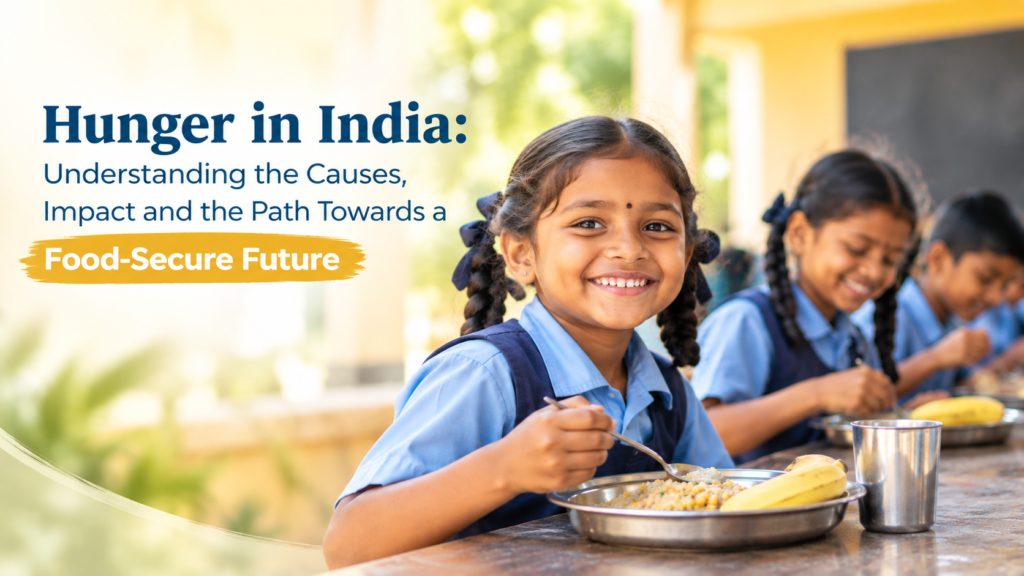
Hunger is often imagined as an empty plate. In reality, it is a much larger issue that can affect health, education, productivity, dignity and the future of communities.
Hunger in India is a complex challenge shaped by poverty, food insecurity, unequal access to nutritious diets, unemployment, social inequalities and other economic and environmental factors. While India has made significant progress in food production and poverty reduction, ensuring that everyone has consistent access to sufficient and nutritious food remains an important national priority.
Understanding hunger requires us to look beyond the question of whether people have food. We must also ask: Do they have enough nutritious food? Can they access it consistently? And are children receiving the nutrition they need to grow and learn?
Understanding the Reality of Hunger in India
India has one of the world’s largest food systems, yet food availability alone does not automatically guarantee food security for every household.
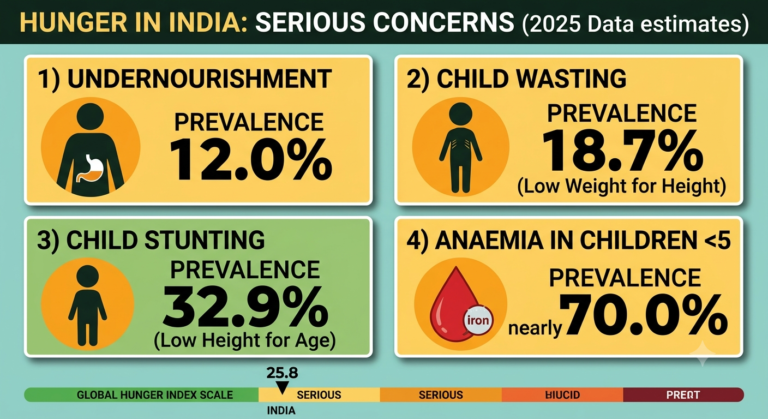
The 2025 Global Hunger Index gives India a score of 25.8, placing it in the “serious” category on its hunger severity scale. The report also estimates India’s prevalence of undernourishment at 12.0%, while child wasting is estimated at 18.7% and child stunting at 32.9%. (Global Hunger Index)
These figures show why hunger needs to be understood as both a food-access and nutrition challenge.
At the same time, hunger statistics should not be viewed as a complete description of India’s food situation. Different indicators measure different aspects of food insecurity and malnutrition. Together, they help us understand where challenges are and where action is needed.
What Causes Hunger in India?
There is no single reason why people experience hunger.
1. Poverty and low household income
When families have limited income, food can compete with other essential expenses such as housing, healthcare, education and transportation. Nutritious foods can also be more difficult to afford regularly.
2. Food insecurity
Food insecurity occurs when people do not have reliable access to sufficient and nutritious food. A family may have food today but remain uncertain about whether it can afford adequate food tomorrow.
3. Unequal access to nutritious diets
Having access to calories is different from having access to a balanced diet. Children and adults need a variety of nutrients for healthy growth and development.
4. Unemployment and economic shocks
Loss of employment, unexpected expenses, crop failures, natural disasters and rising living costs can quickly affect a family’s ability to purchase food.
5. Lack of awareness about nutrition
Food quantity is only one part of the problem. Understanding balanced diets, micronutrients and age-appropriate nutrition is equally important, particularly for children.
Hunger Is Not Always Visible
One of the most important aspects of hunger in India is that it does not always look the way people expect.
A person can eat enough food to avoid obvious starvation but still have deficiencies in essential vitamins and minerals. This is often described as hidden hunger.
UNICEF India reports that nearly 70% of children under five are anaemic, while only 11% receive a minimum acceptable diet. These statistics highlight the importance of looking at the quality and diversity of food, not just the amount consumed. (UNICEF)
Hidden hunger can therefore exist alongside other forms of malnutrition, making nutrition a multidimensional issue.
The Impact of Hunger on Children
Children are particularly vulnerable to inadequate nutrition because their bodies and brains are developing rapidly.
Poor nutrition can affect physical growth and overall wellbeing. UNICEF notes that good nutrition is fundamental to child survival and development and supports children’s ability to grow, learn, play and participate in their communities. (UNICEF)
For school-going children, hunger can also become an educational concern.
Imagine sitting through a morning class while feeling hungry. Concentrating on a lesson, participating in activities and staying engaged can become more difficult. Ensuring access to nutrition is therefore closely connected with creating an environment in which children can make the most of their education.
Why Morning Nutrition Can Make a Difference
For many school-going children, the morning is an important opportunity to address nutrition.
A nutritious morning meal can provide children with nourishment before they begin their lessons. School-based nutrition programmes can also help reach children directly and create a consistent support system.
This is the approach taken by Sri Sathya Sai Annapoorna Trust through its Morning Nutrition Programme.
The Trust provides morning nutrition to school-going children through options that can include SaiSure nutrition health mix with milk, Ragi Wholesome Cereal Drink and freshly cooked breakfast, depending on the location and programme.
In August 2026, for example, Annapoorna Trust and Narayana Health began the fifth year of their partnership to provide freshly cooked breakfast five days a week to 1,185 students across eight government schools in Bengaluru.
Such initiatives demonstrate how addressing nutrition can happen through practical, community-based programmes.
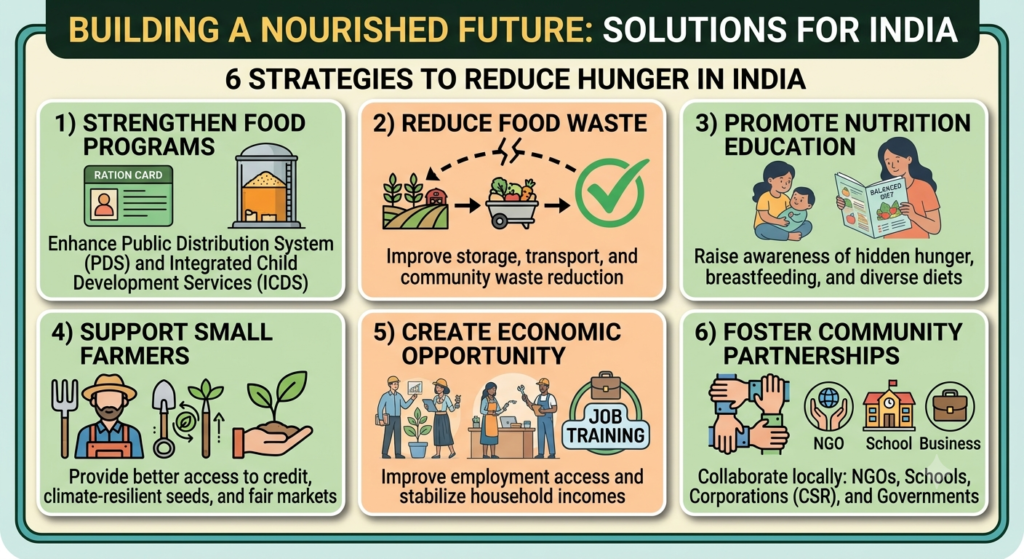
How Can We Reduce Hunger in India?
Reducing hunger requires action at multiple levels.
Governments can strengthen food and nutrition programmes and improve access to essential services.
Communities can identify vulnerable households and encourage nutrition awareness.
Schools can become important points for delivering nutrition support and educating children about healthy food choices.
Businesses can contribute through responsible CSR programmes and long-term partnerships.
Individuals can support credible organisations, volunteer their skills and resources, and raise awareness about food insecurity and nutrition.
Most importantly, solutions need to be sustainable and locally relevant. Providing food during an emergency is important, but long-term food security requires addressing the underlying economic, nutritional and social factors that contribute to hunger.
What Can Individuals Do to Help?
You don’t have to solve the entire problem yourself.
You can start by learning about food insecurity in your community, reducing food waste, supporting credible food and nutrition initiatives, volunteering and contributing to programmes that work directly with people who need support.
When choosing an organisation to support, look for transparency, clearly defined programmes, credible impact information and responsible use of funds.
Small contributions, when combined with the efforts of many people, can help sustain programmes over time.
The Role of Annapoorna Trust
Hunger in India is a challenge that requires collective responsibility. It cannot be addressed by one organisation alone. However, targeted initiatives can make a meaningful contribution to the larger effort.
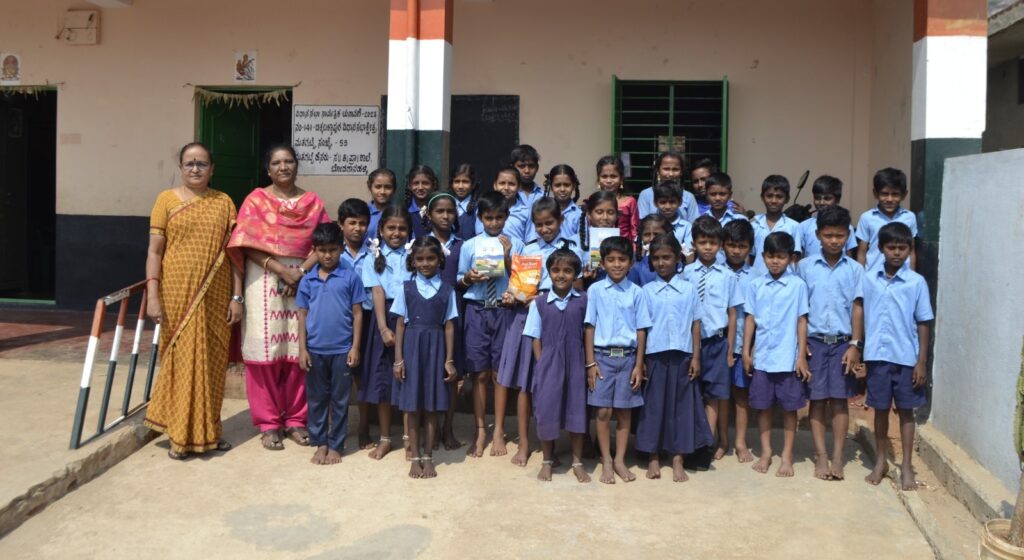
Sri Sathya Sai Annapoorna Trust focuses on one practical part of this challenge: ensuring that school-going children receive morning nutrition. The Trust reports that its programme currently reaches 10 million school children across 25 states and 4 Union Territories, working through government schools, volunteers and supporting partners.
Its work reflects a simple but powerful idea: a nourished morning can help a child begin the school day better prepared to learn.
Ultimately, tackling Hunger in India means looking beyond numbers and recognising the people behind them. A food-secure future requires sustained action from governments, organisations, communities, businesses and individuals. Through its morning nutrition programme, Sri Sathya Sai Annapoorna Trust is contributing to this larger mission by working to ensure that children can begin their school day with nutrition, dignity and hope.
FAQs
1. What is Hunger in India?
Hunger in India refers to the lack of reliable access to sufficient and nutritious food. It can range from inadequate food intake to food insecurity and forms of malnutrition caused by poor-quality diets.
2. What are the main causes of hunger?
Major contributing factors can include poverty, unemployment, food insecurity, unequal access to nutritious foods, economic shocks, social inequalities and limited awareness of nutrition.
3. How does hunger affect children?
Inadequate nutrition during childhood can affect growth, health and overall development. For school-going children, hunger can also make it more difficult to remain comfortable and engaged during the school day.
4. What is hidden hunger?
Hidden hunger refers to deficiencies of essential vitamins and minerals that may occur even when someone consumes enough calories. It is therefore possible for a person to have food but still lack important nutrients.
5. How can we help reduce hunger?
Individuals can support credible food and nutrition programmes, volunteer, reduce food waste, raise awareness and encourage businesses to participate in sustainable CSR initiatives.
6. How does Annapoorna Trust help address hunger?
Sri Sathya Sai Annapoorna Trust operates a Morning Nutrition Programme that provides nutrition to school-going children through different food and nutrition options, depending on the location.