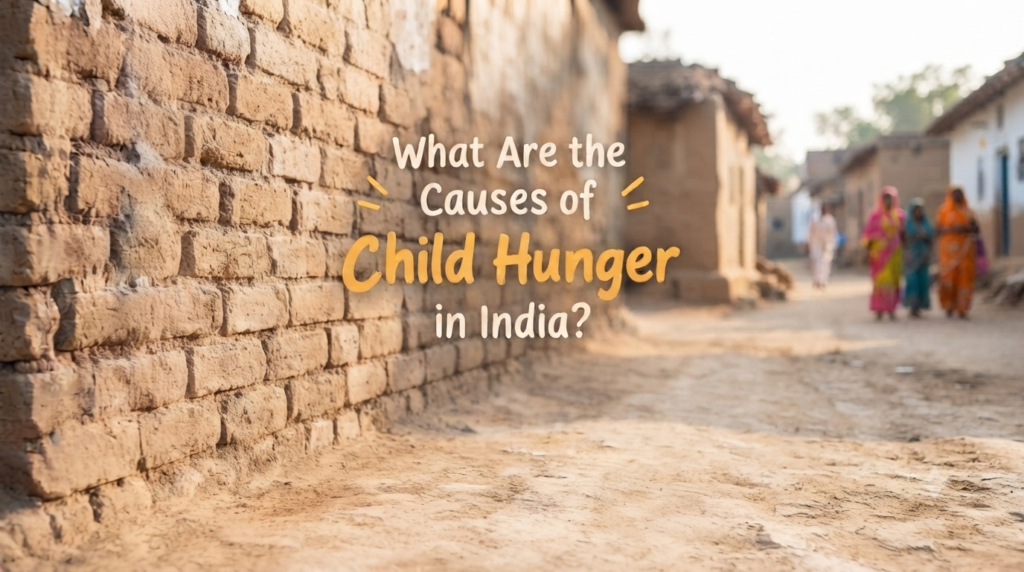
What Are the Causes of Child Hunger in India?
Child Hunger in India is a complex issue that goes far beyond an empty stomach. It is connected to poverty, food insecurity, poor dietary diversity, maternal nutrition, healthcare, sanitation, social inequalities and access to essential services. For children, inadequate nutrition can affect not only physical growth but also health, development and the ability to participate fully in school and everyday life.
Understanding the causes of Child Hunger in India is important because hunger is not always visible. A child may have something to eat every day but still lack the variety of nutrients required for healthy growth. This makes the conversation about hunger equally a conversation about food quality, nutrition security and access.
1. Poverty and Low Household Income
Poverty is one of the major factors associated with food insecurity. When a family’s income is limited, food competes with other essential expenses such as housing, education, healthcare and transportation.
Families may therefore prioritise inexpensive foods that are filling but may not provide enough nutritional variety. UNICEF notes that income poverty can be an important driver of child food poverty, particularly among the most disadvantaged households. (UNICEF)
However, poverty is not the only explanation. Children can experience inadequate diets even when their household is not classified as poor. This means solutions must address both economic access and nutrition awareness.
2. Food Insecurity and Uncertain Food Access
Food insecurity means that people do not have reliable access to sufficient and nutritious food.
A family may have enough food during one period but face shortages when income falls, employment is lost, food prices rise or an unexpected expense occurs. Rural households can also be affected by seasonal employment, agricultural challenges and natural disasters.
Food insecurity can consequently contribute to Child Hunger in India, particularly when families have to reduce the quantity or quality of meals.
3. Lack of Dietary Diversity
Hunger is not simply about the number of calories consumed. What a child eats matters.
A diet dominated by a limited range of foods may not provide sufficient essential vitamins and minerals. UNICEF defines child food poverty around the inability to access and consume a nutritious and diverse diet. (UNICEF)
India’s National Family Health Survey-5 reported that only 11.3% of children aged 6–23 months received an adequate diet. The same survey reported 35.5% stunting and 19.3% wasting among children under five. (Ministry of Health and Family Welfare)
These statistics demonstrate why addressing Child Hunger in India requires attention to both food access and dietary quality.
4. Maternal Nutrition and Feeding Practices
A child’s nutritional journey begins before birth.
The health and nutrition of a mother during pregnancy can influence the growth and development of her child. UNICEF India identifies poor maternal nutrition before and during pregnancy as an important contributor to poor child nutrition outcomes. (UNICEF)
After birth, breastfeeding and complementary feeding practices also play a crucial role. Children need age-appropriate, nutritious foods as they grow.
Inadequate feeding practices, limited access to nutrition information and insufficient support for mothers can therefore contribute to nutritional deficiencies and increase vulnerability to hunger.
5. Illness, Sanitation and Poor Hygiene
Food is only one part of good nutrition.
Repeated infections, particularly illnesses associated with unsafe water, sanitation and hygiene, can negatively affect a child’s nutritional status. UNICEF identifies illness, poor sanitation and hygiene, inadequate feeding practices and limited access to quality healthcare among factors linked with child malnutrition. (UNICEF)
This creates a cycle: inadequate nutrition can make children more vulnerable to illness, while repeated illness can make it harder for children to maintain healthy growth.
Consequently, tackling Child Hunger in India requires a broader approach that includes health, sanitation and nutrition.
6. Social and Gender Inequalities
The distribution of food within a household can also be influenced by social norms.
UNICEF India has highlighted the issue of women and girls eating “last and least” in some households, particularly when resources are limited. Such inequalities can affect maternal nutrition and, in turn, children’s nutritional outcomes. (UNICEF)
Children from disadvantaged communities may also face multiple challenges simultaneously, including poverty, limited healthcare, poor sanitation, inadequate housing and restricted access to nutritious food.
Addressing Child Hunger in India therefore requires solutions that consider the social environment surrounding a child, not just the meal placed in front of them.
7. Rural and Urban Food Challenges
Hunger can have different causes depending on where a family lives.
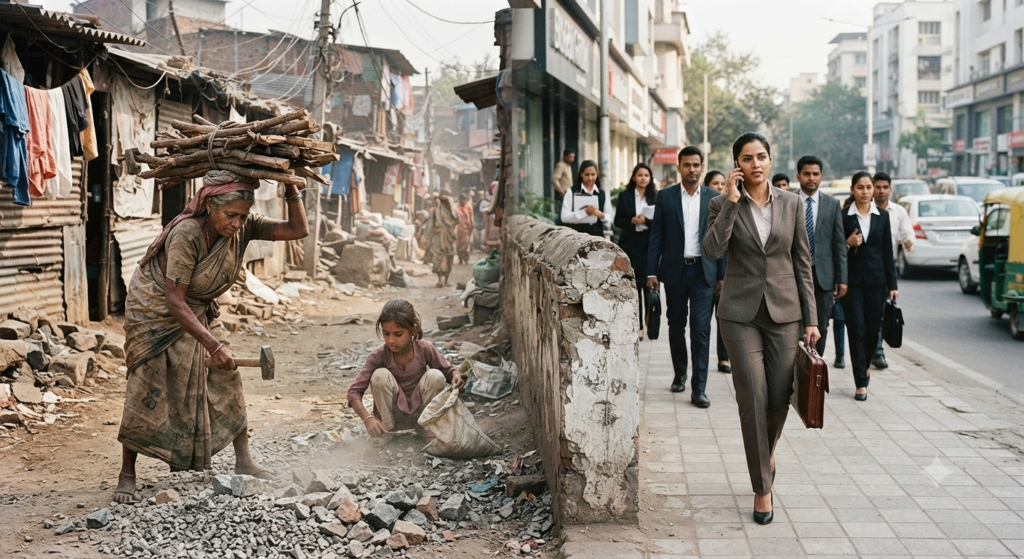
In rural areas, families may experience challenges related to seasonal employment, agriculture, transportation and access to services. In urban areas, low-income families may face high living costs and limited access to affordable, nutritious food.
UNICEF notes that children living in rural areas, slums and other disadvantaged communities can experience multiple forms of deprivation related to poverty, nutrition, healthcare, sanitation and education. (UNICEF)
This means that effective solutions need to be designed around the needs of individual communities.
8. The Link Between Hunger and Education
Child Hunger in India also has an important connection with education.
For a school-going child, beginning the day hungry can become a distraction during classroom activities. Nutrition does not solve every educational challenge, but it can provide an important foundation for a child’s wellbeing and participation in school.
UNICEF states that well-nourished children are more likely to learn, play and develop healthy bodies and minds. (UNICEF)
This is one reason why school-based nutrition programmes can be an important part of a wider response to hunger.
How Can We Address Child Hunger?
There is no single solution to Child Hunger in India.
Long-term action requires improving household food security, making nutritious diets more accessible, strengthening maternal and child nutrition, improving healthcare and sanitation, increasing nutrition awareness and supporting programmes that reach vulnerable communities.
Governments, schools, NGOs, businesses and local communities all have a role to play.
Individuals can also contribute by supporting credible organisations, volunteering, reducing food waste and encouraging others to understand the difference between simply providing food and providing meaningful nutrition.
The Role of Annapoorna Trust
For school-going children, one practical way to address hunger is to ensure that their school morning begins with nutrition.
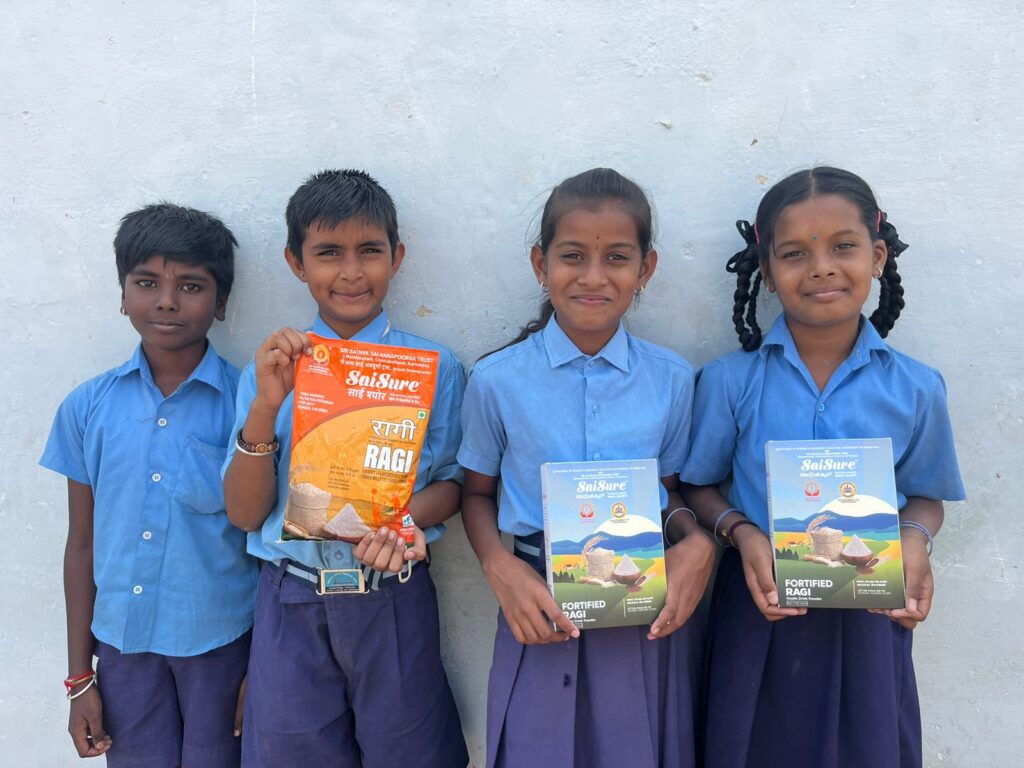
Sri Sathya Sai Annapoorna Trust works in this area through its Morning Nutrition Programme, providing free morning nutrition to school-going children through different food options depending on the location and programme model. The programme reaches more than 10 million schoolchildren across 25 states and four Union Territories. (UNICEF)
Its work demonstrates how community participation, volunteers, schools and supporting partners can come together around a simple but important objective: helping children start their school day nourished.
One World One Family 🌍
Let No Child Go to School Hungry Ever ❤️
Conclusion
The causes of Child Hunger in India are interconnected. Poverty can limit food choices, food insecurity can reduce consistent access to meals, poor dietary diversity can cause nutrient deficiencies, while illness, sanitation challenges and social inequalities can make vulnerable children even more vulnerable.
Therefore, solving hunger requires more than occasional food distribution. It requires sustained nutrition programmes, stronger communities, awareness and collective action.
Sri Sathya Sai Annapoorna Trust contributes to this larger effort through its Morning Nutrition Programme, working with schools, volunteers, communities and partners to provide nutrition to school-going children. Supporting initiatives like these can help transform a simple morning meal into a healthier start to a child’s day and potentially a stronger foundation for learning, growth and opportunity.
FAQs
1. What are the main causes of child hunger in India?
The main contributing factors include poverty, food insecurity, poor dietary diversity, maternal and child nutrition challenges, illness, inadequate sanitation, social inequalities and limited access to healthcare and nutrition services.
2. How does poverty contribute to child hunger?
Low household income can make it difficult for families to consistently afford sufficient and nutritious food. When resources are limited, families may prioritise cheaper foods or reduce meal quantity and variety.
3. Is hunger only caused by a lack of food?
No. Hunger and malnutrition can also result from poor-quality diets, micronutrient deficiencies, illness and inadequate access to healthcare and sanitation. A child can consume enough calories while still lacking essential nutrients.
4. What is hidden hunger?
Hidden hunger refers to deficiencies of essential vitamins and minerals. It may occur even when a person consumes enough calories, making it less obvious than hunger caused by insufficient food.
5. How does hunger affect school children?
Inadequate nutrition can affect children’s health, growth and wellbeing. Hunger can also make it more difficult for some children to remain comfortable and engaged during the school day.
6. How can individuals help address child hunger?
Individuals can support credible nutrition organisations, volunteer, contribute to responsible food programmes, reduce food waste and spread awareness about nutrition and food insecurity.
7. How does Annapoorna Trust help?
Sri Sathya Sai Annapoorna Trust runs a Morning Nutrition Programme that provides free morning nutrition to school-going children across multiple states and Union Territories in India. (UNICEF)