From One Village to a Living Seva Centre: The Journey of Doddabele & Vinayak Nagar
Where the Journey Began
Every movement that creates lasting change has a beginning. For Sri Sathya Sai Annapoorna Trust’s Morning Nutrition Programme, that beginning can be traced to a small village near Kengeri, off Mysuru Road in Bengaluru.
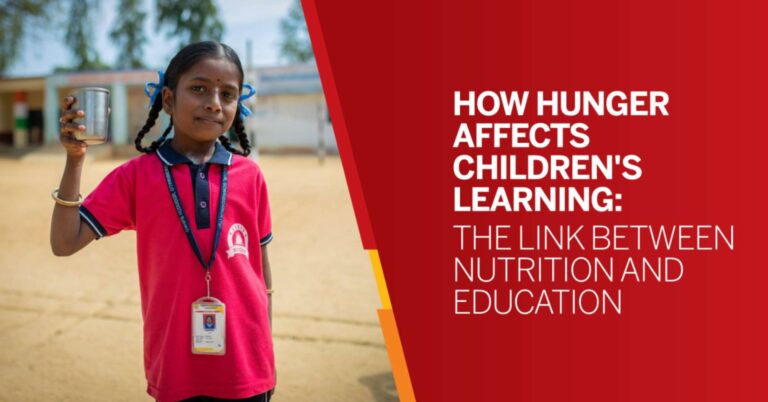
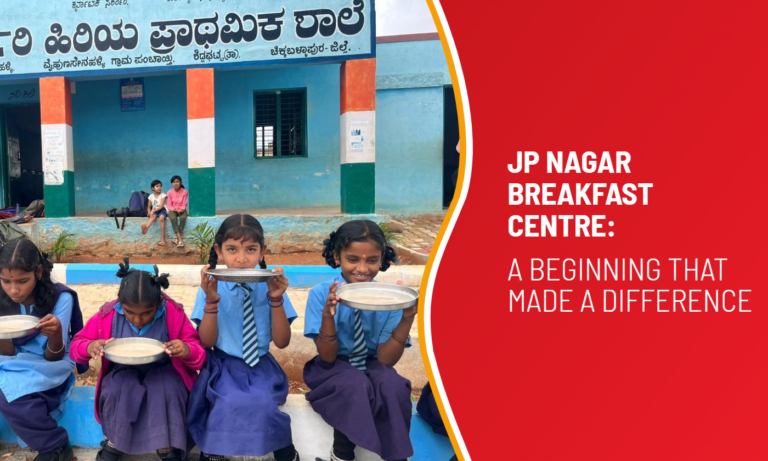
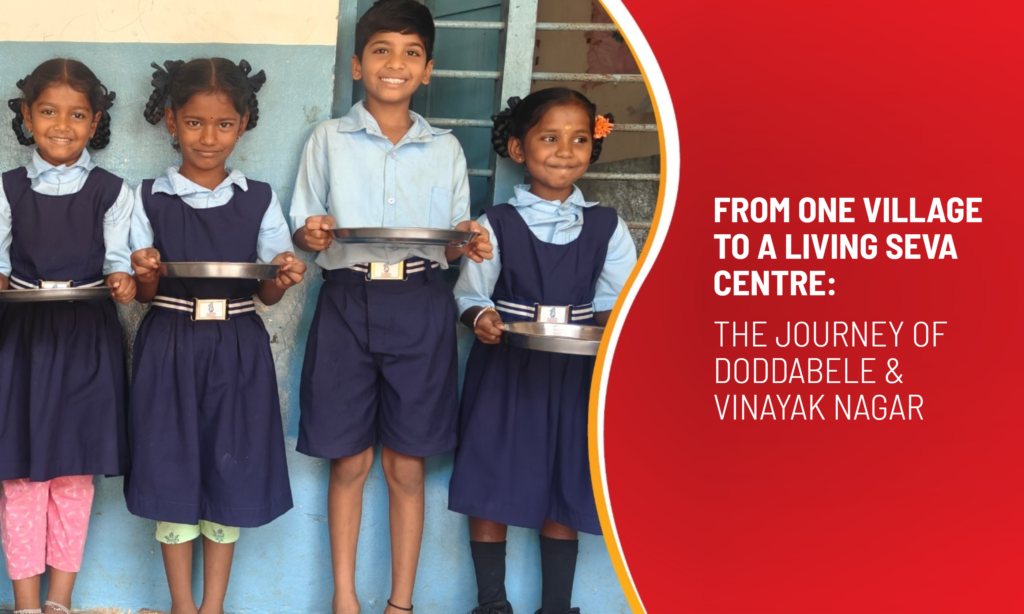
On 5 July 2012, a handful of volunteers began serving breakfast to around 50 government-school children in Doddabele. There was no large institutional programme behind the effort at the time. It was simply a response to a visible need: children were coming to school without adequate food, and hunger was affecting their ability to learn, participate and make the most of their school day.
The early initiative was modest, but its purpose was clear—ensure that children began their day with nourishment and dignity.
Initially, volunteers took turns preparing the food in their homes. As the number of children and the need for greater consistency grew, the preparation model evolved. In 2013, cooking moved to a catering/vendor arrangement, making the service more sustainable and dependable.
Then, in 2014, the programme took its first step beyond Doddabele, expanding to the nearby community of Vinayak Nagar.
What began with 50 children had started developing into a model that brought together nutrition, volunteering and community participation.
Doddabele: The First Breakfast Centre
Doddabele is more than a location in the history of Annapoorna. It is where the idea was tested in everyday life and where the foundation of the Morning Nutrition Programme was laid.
Later publications of the Trust repeatedly identify Doddabele as the place where the flagship breakfast programme began. An anniversary account published in 2020 records that the programme started on 5 July 2012 with 50 children in Doddabele village.
But the significance of Doddabele goes beyond the numbers.
The volunteers were not merely distributing food. They were building relationships—with the school, teachers and, most importantly, the children.
Over time, these relationships became an important part of the programme’s impact. Stories from Doddabele speak of changes in children’s confidence, attendance, health and aspirations.
One such story is that of Arvind, who began his journey as a breakfast beneficiary and eventually became part of the Annapoorna team himself. Another student, Meghna, recalled how the programme initially operated under a tree when it began in 2012. Her memories highlight not only the importance of receiving a regular breakfast but also the values and sense of service that grew around the initiative.
These stories capture something fundamental about Doddabele.
The intervention was simple: provide nourishment before the school day begins.
But around that simple act, a larger ecosystem gradually developed. Volunteers, teachers, children, families, community members and supporters became part of a shared journey.
Doddabele became a living example of how a nutrition initiative can become a gateway to wider community transformation.
From Doddabele to Vinayak Nagar
The next significant milestone came in 2014, when Annapoorna extended its food service to Vinayak Nagar, making it the second village to receive the programme after Doddabele.
This expansion demonstrated that the model was not intended to remain a single-centre initiative. The experience gained in Doddabele provided a practical foundation for reaching another community with similar needs.
The Vinayak Nagar story also brings into focus the social and economic realities faced by many families in the area.
In a later collaboration between Annapoorna and Narayana Health CSR, four schools in the Vinayak Nagar area—Ramohalli, Kethohalli, Subramanyapalya and Chikkeluru—were included in a morning breakfast intervention covering 360 students.
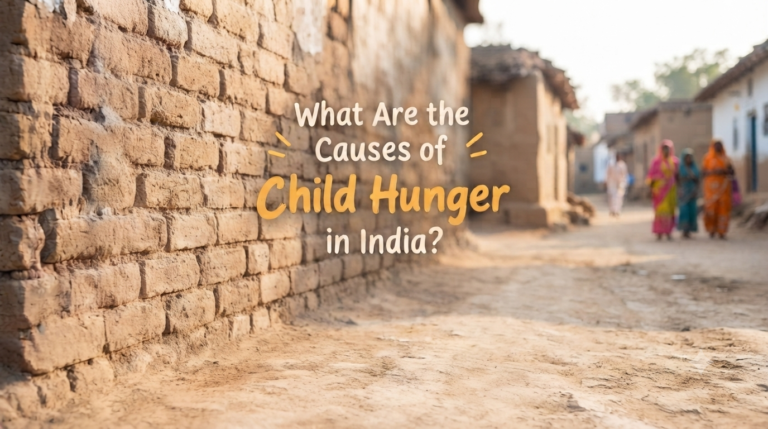
Many of the children came from families where parents worked as daily-wage labourers at construction sites, nurseries and small industries. With both parents often needing to leave home for work, preparing breakfast before school could be difficult.
As a result, children could arrive at school without a proper morning meal.
This context helps explain why the expansion from Doddabele to Vinayak Nagar was so important.
Morning nutrition was not simply an additional meal served at school. It addressed a practical gap in households where time, income and working conditions could make it difficult to provide children with a nutritious breakfast consistently.
When Nutrition Became a Wider Community Effort
As the programme evolved, its purpose expanded beyond the morning meal.
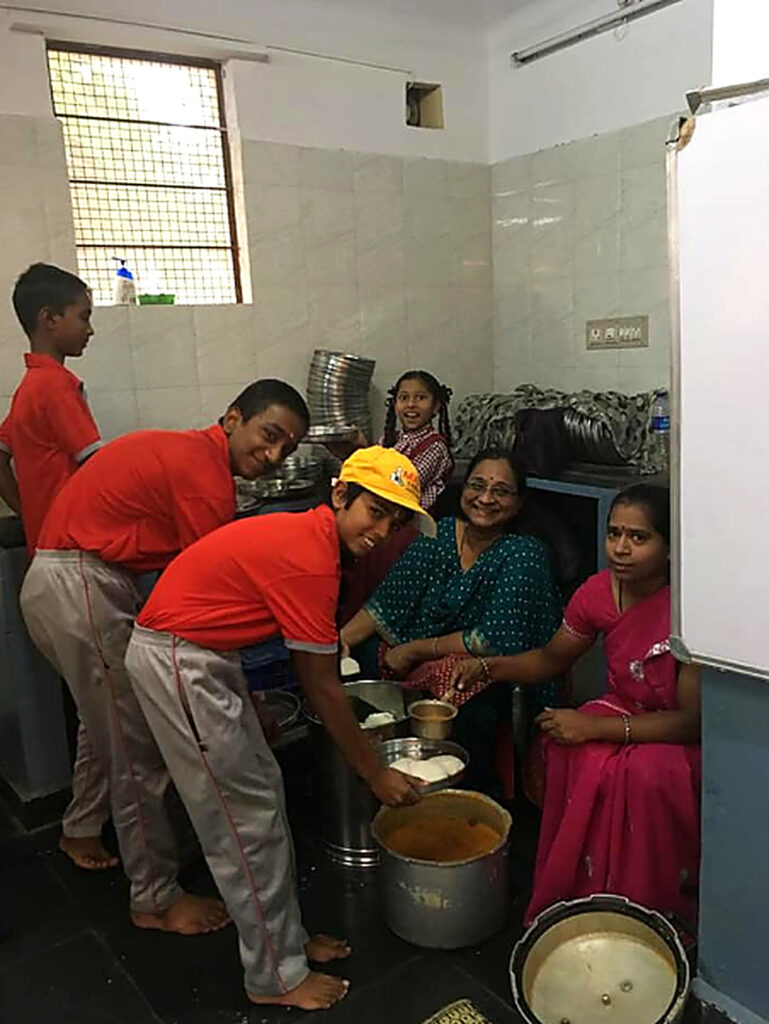
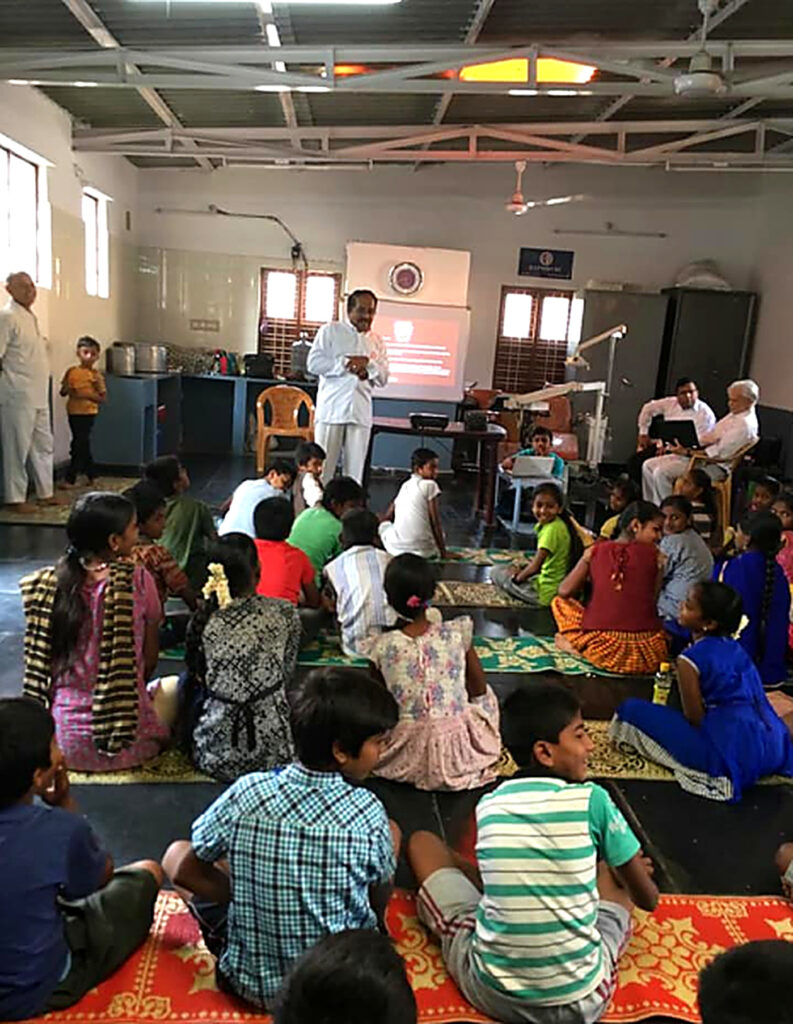
Records from the Trust document summer camps, value-based activities, hygiene education, environmental initiatives and interactions between volunteers and children in both Doddabele and Vinayak Nagar.
In 2018, for instance, children at the Vinayak Nagar centre participated in a three-day summer workshop. Around the same period, the Doddabele team conducted a longer camp that included storytelling, games, art, meditation, value education and educational field visits.
These activities reveal an important characteristic of the Annapoorna model.
Nutrition was treated as one part of a child’s overall well-being.
Food nourished the body. Education, values, hygiene awareness, creativity and community engagement helped nurture confidence and development.
The breakfast programme therefore became more than a service delivered each morning. It became a platform through which children could experience care, encouragement and opportunities for holistic growth.
Doddabele: From Nutrition to Community Healthcare
Doddabele’s journey also developed a distinct healthcare dimension.
On 23 February 2017, Annapoorna reported a rural medical camp in Doddabele near Kengeri. A team of approximately 30 doctors and paramedical staff provided services across areas including gynaecology, ENT, dental and eye care.
Around 240 villagers were examined by specialists, with follow-up support planned for patients requiring cataract surgery.
Later that year, on 10 September 2017, a free medical clinic was launched in Doddabele to provide treatment to villagers at an early stage of illness. Dr. Geeta volunteered to treat patients weekly without charge. On the opening day itself, 20 patients from different age groups were examined and provided medicines as appropriate.
The healthcare outreach continued.
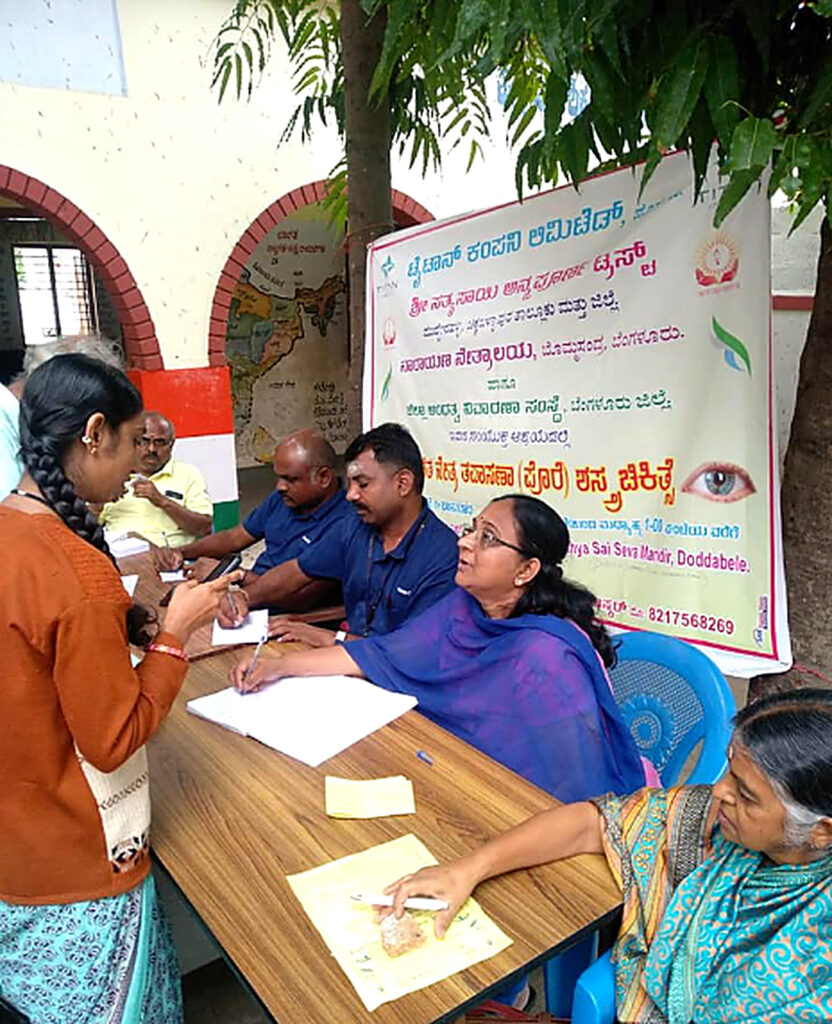
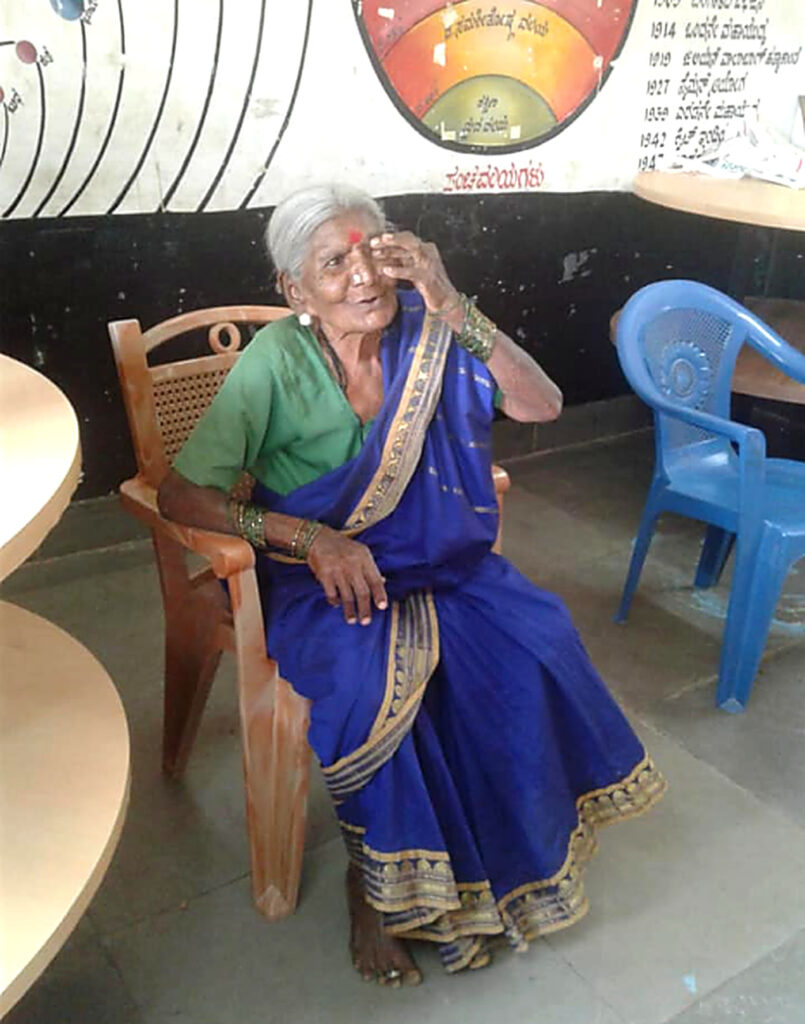
On 29 July 2018, Annapoorna collaborated with Narayana Nethralaya and Titan EyeCare to conduct an eye camp at the Doddabele Government School.
The camp screened 212 patients for eye-related problems. Titan provided free spectacles to 111 people, while 12 patients requiring cataract surgery were taken to Narayana Nethralaya for further treatment.
The Trust also acknowledged the support of the village Panchayat in making the camp possible.
These initiatives show how a community nutrition programme can gradually evolve into something much larger.
The original focus was breakfast for schoolchildren. But as volunteers became more closely connected with the community, other needs became visible—and opportunities to serve emerged.
Children Becoming Volunteers in Service
Perhaps one of the most inspiring aspects of Doddabele’s journey is the way the children themselves became participants in community service.
Volunteer accounts from the centre describe initiatives where nutrition, health and water-related concerns were addressed together.
One particularly touching example comes from a Sunday medical clinic. Children themselves helped announce the clinic across the village, encouraging residents to come to the centre for treatment and medicines.
This represents an important transformation.
The children were no longer simply beneficiaries of a service. They were becoming active participants in seva.
That shift—from receiving care to helping others—is one of the most powerful outcomes a community initiative can create.
Health Screening in the Vinayak Nagar Area
The Vinayak Nagar journey developed its own health and nutrition dimension through the Trust’s collaboration with Narayana Health CSR in 2022–23.
The programme covered four schools in the area and included 360 students. Alongside the breakfast intervention, Narayana Health and Annapoorna Trust conducted basic health screening.
Measurements included:
- Height
- Weight
- Mid-upper arm circumference
- Haemoglobin levels
Baseline and endline assessments were conducted to understand the children’s health status over the course of the intervention.
The case study recorded that a large majority of the 360 children were underweight at the baseline assessment, highlighting the nutritional vulnerability of the participating population.
This made the combination of breakfast and health monitoring especially significant.
The programme was not only providing food. It was also creating an opportunity to observe children’s physical well-being, understand nutritional concerns and track changes over time.
In this way, the Vinayak Nagar experience added another dimension to the original model that began in Doddabele: nutrition supported by evidence-based health monitoring and community partnership.
A Journey Built on Continuity
The stories of Doddabele and Vinayak Nagar are best understood together.
Doddabele represents the beginning—50 children, a handful of volunteers and a simple morning meal in 2012.
Vinayak Nagar represents the first expansion of that experience into another community in 2014.
Over time, both centres became spaces where nutrition connected with education, values, health, hygiene, volunteering and community participation.
Their journeys demonstrate an important principle of social service: lasting interventions often grow by first listening to the needs of a community and then building consistent, local systems around those needs.
In Doddabele, breakfast was followed by medical outreach, a free clinic, eye-care initiatives and other community activities.
In the Vinayak Nagar area, the nutrition programme was complemented by health screening and monitoring through the Narayana Health partnership.
The form of service evolved, but the underlying principle remained the same:
Serve where there is a need. Serve consistently. And allow the community to become part of the solution.
From 50 Children to a Living Seva Centre
Today, the wider Morning Nutrition Programme is far removed in scale from its modest beginnings in Doddabele.
Yet the significance of those first 50 children remains.
Doddabele was the place where the idea was tested in everyday life. It showed that a simple breakfast, offered with consistency and compassion, could make a meaningful difference in a child’s school experience.
Vinayak Nagar was among the first communities where that experience was extended, demonstrating that the model could travel beyond its place of origin while remaining rooted in local needs.
Together, the two communities tell a larger story—not simply about food, but about seva, continuity and community transformation.
They remind us that meaningful change does not always begin with a large institution, a complex programme or significant resources.
Sometimes, it begins with 50 children.
It begins with volunteers willing to cook, serve and return the next morning.
It begins with a community willing to participate.
And, over time, that small act of service can grow into a living centre of nutrition, health, education, values and seva.
The journey from Doddabele to Vinayak Nagar is therefore not just a story of expansion.
It is a story of how one simple breakfast can become the beginning of a much larger movement of care.